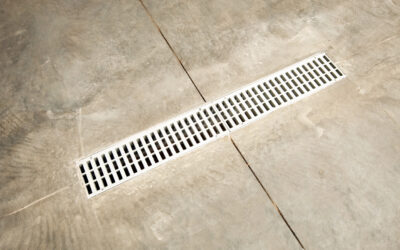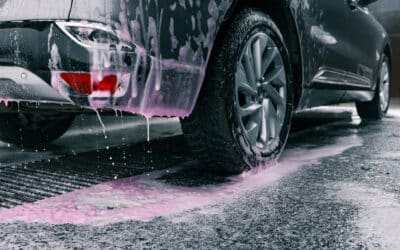
Grit trap cleaning removes the sand, dirt, and sludge that settle in the tank protecting your drains and the city sewer. Car washes, auto shops, and parking garages need it on a regular schedule, and many Colorado cities expect you to keep proof of it.
We are the McDonald Farms customer service team. We answer calls from car wash owners, shop managers, and property managers every week, so this guide covers the questions we hear most. It also shows what local rules say.
Written by the McDonald Farms customer service team. Updated October 30, 2026.
Key Takeaways
- A grit trap holds back sand, dirt, and sludge before they reach the sewer.
- You may also hear it called a sand trap, a dirt trap, or a sand and oil interceptor.
- Car washes, auto shops, and parking garages usually need service most often.
- Inspect the trap often, and clean it on a set schedule instead of waiting for a clog.
- Denver, Loveland, and Longmont all address sand and oil interceptors in their rules.
- We schedule service around your hours, so your bays stay open and your records stay current.
In this guide
- What Is a Grit Trap?
- How a Grit Trap Works
- Who Needs Grit Trap Cleaning?
- Grit Trap vs. Grease Trap vs. Oil-Water Separator
- How Often Should You Schedule Grit Trap Cleaning?
- Signs You Need Grit Trap Cleaning Now
- What Happens During Professional Grit Trap Cleaning
- We Schedule Around Your Business
- Grit Trap Cleaning Rules by City
- How to Choose a Grit Trap Cleaning Company
- Why Colorado Businesses Choose McDonald Farms
- Grit Trap Cleaning FAQ
What Is a Grit Trap?
A grit trap is a settling tank that catches sand, dirt, and other heavy solids before they leave your property. First, wash water enters the tank and slows down. Then the heavy material sinks to the bottom, and cleaner water flows out to the sewer.
You may hear other names for it, such as sand trap, dirt trap, or sediment trap. Also, some grit traps work as sand and oil interceptors, which hold back oil as well as grit.
Without a grit trap, that material would settle in your drain lines and in the city sewer. Over time, it would block the pipes. That is why Colorado cities ask certain businesses to install one and keep it clean.
How a Grit Trap Works
A grit trap uses gravity. First, wash water flows into a chamber, and the tank walls or baffles slow the flow. Next, heavy particles drop out of the water and settle on the bottom. If the unit is a sand and oil interceptor, oil rises to the surface and stays behind a baffle. Then cleaner water flows out through the outlet.
The settled layer grows with every wash. Eventually, it fills the tank, and sand starts to flow downstream. For that reason, grit trap cleaning pumps the tank out and restores its full volume.
Who Needs Grit Trap Cleaning?
Any business that sends sandy, dirty, or oily water to a drain may need a grit trap. Common examples include these:
- Car washes and truck washes.
- Auto repair shops and quick-lube bays.
- Parking garages, which Denver says use sand-oil interceptors instead of grease interceptors.
- Fleet yards and equipment wash bays.
- Industrial sites with floor drains that collect dirt.
Colorado also adds its own challenge. Winter road sand and deicer ride into your wash bays all season, and mud does the same in spring. As a result, many Colorado traps fill faster than owners expect.
Not sure what your site needs? Your city's pretreatment office makes the final call, but we can help you find the tank you already have.
Grit Trap vs. Grease Trap vs. Oil-Water Separator
These three devices sound alike, but each one has a different job.
Grit trap
A grit trap settles out sand, silt, and other heavy solids, so car washes and wash bays rely on it most.
Grease trap
A grease trap catches fats, oils, and grease from kitchens. Because it fills differently, it needs its own cleaning schedule. Read our grease trap cleaning guide for details.
Oil-water separator
An oil-water separator pulls oil off the top of the water, and auto shops use it often. Our post on oil-water separator maintenance for auto shops explains more.
How Often Should You Schedule Grit Trap Cleaning?
The right schedule depends on how much dirt you send to the drain. For example, a busy car wash fills a trap faster than a small repair shop does. Tank size, vehicles per day, and the season all matter.
Use these steps to set a schedule:
- Look inside the trap often, such as every month at first.
- Note how much sand and sludge has built up since the last pump-out.
- Clean the trap before the buildup reaches the outlet pipe.
- Adjust the interval as your seasons and traffic change.
Your city may also set its own limit. Always check local rules first. Our post on grit trap systems for car washes adds more advice for wash owners.
Signs You Need Grit Trap Cleaning Now
A full trap usually shows warning signs before it fails, so watch for these:
- Wash bays drain slowly or hold standing water.
- Gritty sludge shows up in clean-outs or sumps.
- An oily sheen or a sour smell comes from the outlet.
- Pumps and sumps clog more often than usual.
- Water backs up after a heavy day of washing.
If wash water backs up into your bay, stop washing and call us at (303) 772-4577. Also, remember that our emergency response is available 24/7.
What Happens During Professional Grit Trap Cleaning
Every visit follows the same careful steps. Our crews train for confined space entry. As a result, our safety record stands at more than one million hours without a lost-time injury.
- Plan the visit. We book a time that fits your business, such as when your bays are closed.
- Open and inspect. The crew opens the lids and checks the sand, sludge, and oil layers.
- Pump everything out. We vacuum out the solids, oil, and water, not just the top layer.
- Scrape and clean. We scrape the walls, and then we clean the inlet and outlet pipes.
- Close it up. We replace the lids and covers, so nobody can fall into the tank.
- Haul it the right way. We take the waste to our own permitted treatment facility in Denver.
- Hand over the paperwork. Finally, you get a manifest for your records.
We Schedule Around Your Business
A closed bay costs you money. That is why our customer service team starts every new account with one question: when is your site slow?
First, tell us your hours, your busy days, and your slow season. Next, we build the pump-out schedule around them. Then we keep it on the calendar, so you do not have to chase anyone down.
Many customers choose a maintenance plan. A plan sets a service interval that fits your tank and your wash volume. As a result, your trap stays clean, and your records stay ready for any inspector.
Ready To Schedule
Let Us Plan Around Your Bays
Tell us when your site is slow. We will schedule grit trap cleaning around your hours and keep your records ready for inspectors.
Schedule online or call us. Emergency response is available 24/7.
Grit Trap Cleaning Rules by City
The summaries below come from each city's own pages. Rules change, so confirm details with your utility. Also, each section links to the source.
Grit trap cleaning in Denver
Denver publishes a Sand Oil Interceptor Policy for sizing and requirements on its Sewer Use and Drainage Permits page. The city also says covered parking drains must route through a sand-oil interceptor. We serve Denver from our Denver facilities, so see our Denver grit trap cleaning page.
Grit trap cleaning in Loveland
Loveland lists a sand and oil interceptor drawing among the forms for new businesses, and you can find it on the city's development standards page. See our Loveland service area page.
Grit trap cleaning in Longmont
Longmont's development standards require settling tanks and grit and grease traps under Section 14.08.415 of the municipal code. The same standards require operation and upkeep under Section 14.08.416. Read the Longmont standards. See our Longmont service area page.
Other Colorado cities
Boulder, Colorado Springs, Fort Collins, and Greeley each run their own pretreatment programs. Because rules differ, call us, and we will point you to the right local rule. See our Boulder grit trap cleaning and Colorado Springs grit trap cleaning pages.
How to Choose a Grit Trap Cleaning Company
Not every hauler works the same way, so use this checklist before you sign a contract:
- Local permits. Ask whether the company holds the permits your city requires.
- Manifests. You should get one after every visit.
- Disposal. Ask where the waste goes, because a permitted facility protects you.
- Safety. Ask about confined space training and safety records.
- Thoroughness. Ask whether the crew removes everything, not just the top layer.
- Flexibility. Ask whether the crew will work around your hours and busy season.
- Emergency help. Ask who answers when a drain backs up on a weekend.
Why Colorado Businesses Choose McDonald Farms
We have served Colorado since 1966, and liquid waste is the heart of our work. Because of that, here is what our experience means for you:
- Our own treatment facility. Your waste goes to our state and federally permitted National Western facility in Denver, which receives loads 24/7.
- Vacuum truck fleet. We pump grit, grease, and liquid waste with our own trucks and crews.
- Safety first. Our operators are trained in confined space entry.
- Local credentials. We hold a Colorado Springs Utilities liquid waste hauler permit and an El Paso County systems cleaner license.
- Real people. Our office is open Monday to Friday, 8 to 5, and emergency response is available 24/7.
- Strong backing. We joined the WRM family of companies in 2020.
Learn more about our grit trap maintenance services, our treatment facility, and how we help car wash and automotive businesses.
Grit Trap Cleaning FAQ
What is a grit trap?
A grit trap is a settling tank that catches sand, dirt, and other heavy solids before they reach the sewer. Some people call it a sand trap or a dirt trap.
How often does a grit trap need cleaning?
It depends on how much dirt you send to the drain. Look inside the trap often, and clean it before the buildup reaches the outlet pipe. Also, your city may set its own limit.
How much does grit trap cleaning cost?
Price depends on your tank size, access, distance, and how often you need service. Call (303) 772-4577 for a quote, and ask for it in writing.
Do car washes need a grit trap?
Most car washes do, but your city makes the final call. Check with your local pretreatment office, or call us, and we will help you find the right contact.
What is the difference between a grit trap and a grease trap?
A grit trap settles sand and heavy solids, which is common in car washes and garages. A grease trap catches fats, oils, and grease from kitchens. They need different schedules.
What happens to the waste you remove?
We haul it to our own permitted treatment facility in Denver. Then you get a manifest for your records.
Can you schedule grit trap cleaning around our hours?
Yes. Tell us when your site is slow, and we will build the schedule around it. We can also set up a recurring plan, so service lands on the calendar without extra calls.
What should I do if my trap backs up?
Stop washing, and call (303) 772-4577. Our emergency response is available 24/7.
Do you offer maintenance plans?
Yes. A plan sets a service schedule that fits your tank and your wash volume. Ask our customer service team to build one for you.